
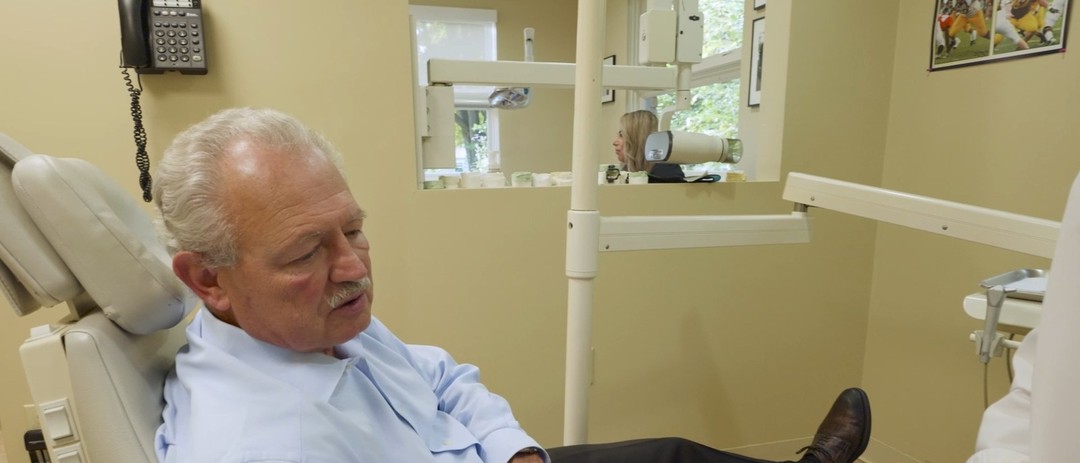
A little pink in the sink after brushing is easy to ignore, but bleeding gums are one of the most common early signs of gum disease. Catching it early with a professional teeth cleaning and a checkup from our East Grand Rapids, MI dentist can keep a small problem from becoming a lasting one.
Here's what to watch for and why it matters.
Gums That Bleed Easily
Healthy gums usually don't bleed during normal brushing or flossing. The American Dental Association lists first among the warning signs.
Bleeding is the body reacting to plaque that has sat along the gumline too long. It tends to show up before any pain does.
Red, Puffy or Tender Gums
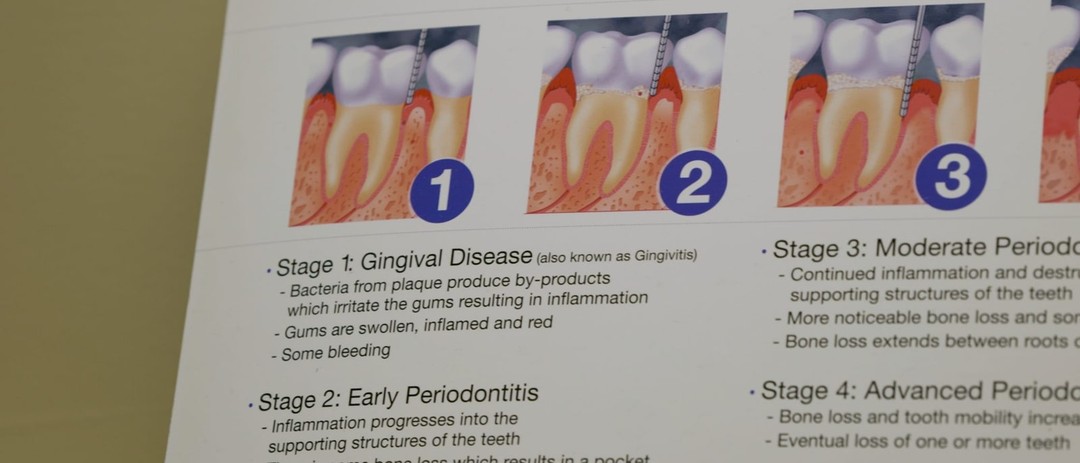
Healthy gum tissue looks firm and pale pink. Gums that look darker red, swollen or feel sore when you brush are a sign of inflammation.
This early, inflamed stage is called gingivitis. Cleveland Clinic describes it as with proper care, though it can come back.
Other Changes Worth Noticing
Breath that stays stale or leaves a bad taste even after brushing can point to bacteria collecting below the gumline. Bad breath after coffee or garlic, by contrast, is normal.
Gums that pull away from the teeth can make teeth look longer than they used to. Federal dental researchers list this, along with , as a sign the problem is moving past its earliest stage.
What Causes These Changes?
Plaque is a sticky film of bacteria that forms on teeth every day. When it isn't cleared away, it hardens into tartar, which brushing alone can't remove.
Some people are more prone to gum problems than others. Smoking, diabetes, pregnancy, family history and certain medications can all raise the risk.
Why Early Matters
At the gingivitis stage, the damage is usually limited to the gums. Left alone, it can progress to periodontitis, which affects the bone that holds teeth in place.
Nearly half of adults over 30 have some form of gum disease. Many don't notice it because the early stages often don't hurt.
Simple Daily Habits That Help
Most early gum changes respond well to steady home care. A good routine includes:
- Brushing twice a day with fluoride toothpaste
- Cleaning between teeth once a day with floss or another interdental tool
- Not smoking or using tobacco
Our guide to good oral hygiene covers more daily tips. If your gums still bleed after a week or two of careful brushing and flossing, it's time for a visit.
How a Cleaning Visit Helps
During a cleaning, Dr. Elias and his team remove the plaque and tartar you can't reach at home. Dr. Elias also checks for gum disease, cavities and signs of oral cancer at the same visit.
You can read what happens during a teeth cleaning and how often you need a cleaning before you come in. A full list of care is on the dental services page.
Frequently Asked Questions
Does gum disease always hurt?
No, early gum disease often causes no pain at all. That is one reason it goes unnoticed, since bleeding or slight puffiness can seem minor.
The American Dental Association notes that gum disease can be present without obvious warning signs. Regular checkups and cleanings help catch changes you might not feel.
Can a change in how my partial denture fits be a sign of gum disease?
It can be. When gums and the bone beneath them change, the teeth and tissue a partial rests on can shift, so the fit may feel different.
The ADA lists a change in the fit of partial dentures as a possible warning sign. Elias Dental also offers dentures, so mention any new looseness or sore spots at your next visit.
Is bad breath that won't go away a gum problem?
Sometimes it is. Breath that stays unpleasant even after brushing can come from bacteria trapped along and under the gumline.
Cleveland Clinic lists bad breath that doesn't go away as a symptom of gingivitis. Other causes exist too, such as dry mouth or sinus issues, so a dental exam is the best way to sort it out.
How does a professional cleaning at Elias Dental help with early gum changes?
A professional cleaning removes the hardened tartar that brushing and flossing can't. Dr. Elias uses instruments designed to reach areas that are hard to clean at home, which helps limit the bacteria that irritate the gums.
He also looks for signs of gum disease during the visit. Most patients are seen about every six months, and some may need visits more often.
Is there a way to save on routine cleanings without dental insurance?
Yes. Elias Dental offers the Elias Dental Membership Plan, which the practice says saves members 25% on dental care.
The office also accepts several insurance plans, including Delta Dental and BCBS options, and CareCredit for payment plans. Call Elias Dental at (616) 458-2048 to ask which option fits you.
Schedule a Gum Health Checkup
Bleeding or tender gums are worth a closer look, especially when they last more than a week or two. A quick gum check with our dentist in East Grand Rapids, MI will show where things stand and what to do next.
Call Elias Dental today at (616) 458-2048 or request an appointment online.