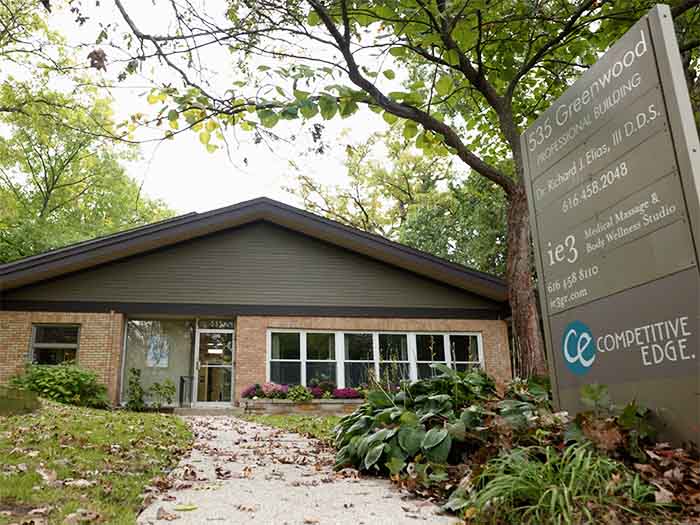
A small chip or a gap between two front teeth can bother you every time you smile. Dental bonding is one of the quickest ways to fix that kind of flaw, often in a single visit with our East Grand Rapids, MI dentist.
Here's what you need to know about tooth bonding and how long it holds up.
What Is Dental Bonding?
Bonding uses a tooth-colored composite resin that your dentist shapes directly on the tooth. The resin is matched to your natural shade, so the repair blends in with the teeth around it.
It is part of a wider group of treatments covered in an overview of cosmetic dentistry. You can see everything the office provides on the dental services page.
What Can Bonding Fix?
Bonding works best for small changes to how a tooth looks. Common uses include:
- Covering chips or minor cracks
- Closing small gaps between teeth
- Making a short tooth look longer
- Changing the shape of an uneven tooth
- Hiding a spot of discoloration
If a stain covers several teeth, whitening may be the simpler first step. The article on explanations behind yellow teeth covers the usual causes.
What Happens at a Bonding Appointment?
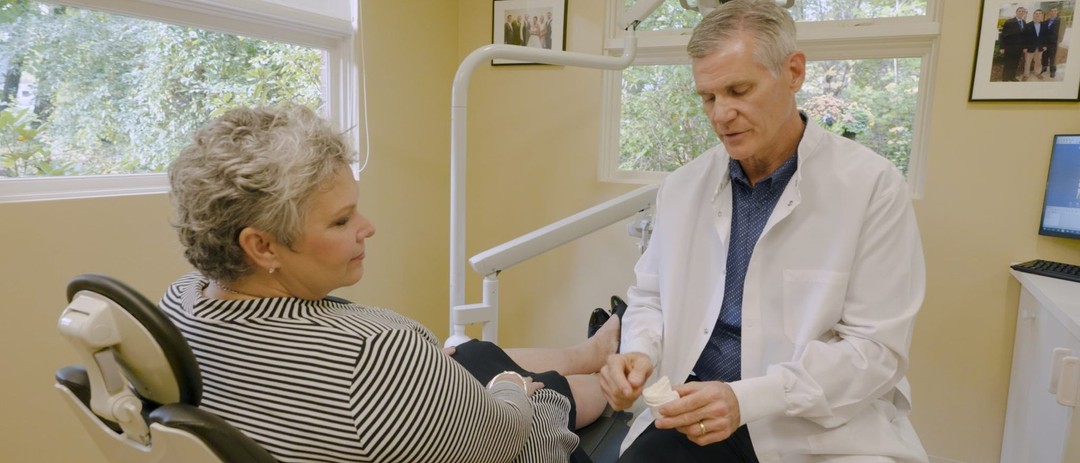
Your dentist picks a resin shade, roughens the tooth surface slightly and applies a liquid that helps the resin stick.
Next, the putty-like resin is molded into shape and hardened with a curing light. A final polish gives it a natural shine.
According to , the process takes about 30 to 60 minutes per tooth. Most people go straight back to their normal day.
How Long Does Dental Bonding Last?
Bonding typically lasts between three and 10 years before it needs a touch-up or replacement. That range is wide because a few things affect it.
The biggest factors are your daily habits, where the bonded tooth sits and how much of the tooth was rebuilt. notes that front teeth handle lower bite pressure, which is one reason bonding is so common there.
What Shortens the Life of Bonding?
Composite resin is strong, but it is not as tough as natural enamel. It can chip if it takes too much force.
Habits that wear it down faster include:
- Biting fingernails or chewing pens
- Opening packages with your teeth
- Crunching ice or hard candy
- Grinding your teeth at night
Resin also picks up stains more easily than porcelain. Coffee, tea, red wine and tobacco can dull its color over time.
How to Keep Your Bonding Looking Good
Brush twice a day with a soft brush and fluoride toothpaste. Floss once a day.
If you grind your teeth, ask about a night guard to protect the bonded edge. Keep up with regular cleanings so small rough spots get smoothed before they turn into chips.
If you notice a sharp edge or your bite feels off, call the office. These issues are usually easy to correct.
Bonding vs. Longer-Lasting Options
Bonding is a good choice for small fixes and needs little or no enamel removal. For bigger changes in shape or color, porcelain may hold up better.
Reading who is a candidate for porcelain veneers can help you compare the two before your visit.
Frequently Asked Questions
Does getting a tooth bonded hurt?
Most people feel little or nothing during bonding, because the resin goes on the outside of the tooth. Numbing is usually only needed if the dentist is also filling a cavity, reshaping the tooth with a drill or working on a chip close to the nerve.
Some people notice mild sensitivity for a short time afterward. Over-the-counter pain relievers usually ease it.
Can a chipped bonding be repaired, or does it need to be redone?
A small chip in bonding can often be touched up by adding and polishing fresh resin. A larger break, or bonding that has stained heavily, may need to be removed and replaced.
WebMD notes that a repaired area may not last as long as the original bonding. Call your dentist when you first notice a rough or sharp edge.
Should I choose bonding or porcelain veneers?
It depends on how much you want to change. Bonding suits small chips and gaps and usually needs little or no enamel removed.
For a porcelain veneer, Dr. Elias removes about half a millimeter of enamel, and veneers resist stains better than natural enamel. Cleveland Clinic notes veneers last about 10 to 20 years, while bonding needs touch-ups every three to 10 years.
Does Elias Dental offer tooth bonding?
Yes. Dr. Elias performs cosmetic veneering and bonding as part of his general and cosmetic care for patients in East Grand Rapids.
The office also uses tooth-colored composite as its standard material for fillings. A short exam is the best way to learn whether bonding fits your tooth or whether another option would hold up better.
Does dental insurance pay for bonding?
Coverage varies by plan. Insurance may help when bonding repairs a cavity or a broken tooth, but purely cosmetic bonding is often not covered, so check with your provider first.
If you do not have insurance, the Elias Dental Membership Plan lets members save 25% on dental care. The office can explain how it works when you call.
Schedule a Dental Bonding Visit
If a chip, gap or uneven edge is bothering you, bonding may be a quick fix. Our team at Elias Dental in East Grand Rapids, MI can look at your smile and talk through your options.
Call Elias Dental today at (616) 458-2048 or request an appointment online.